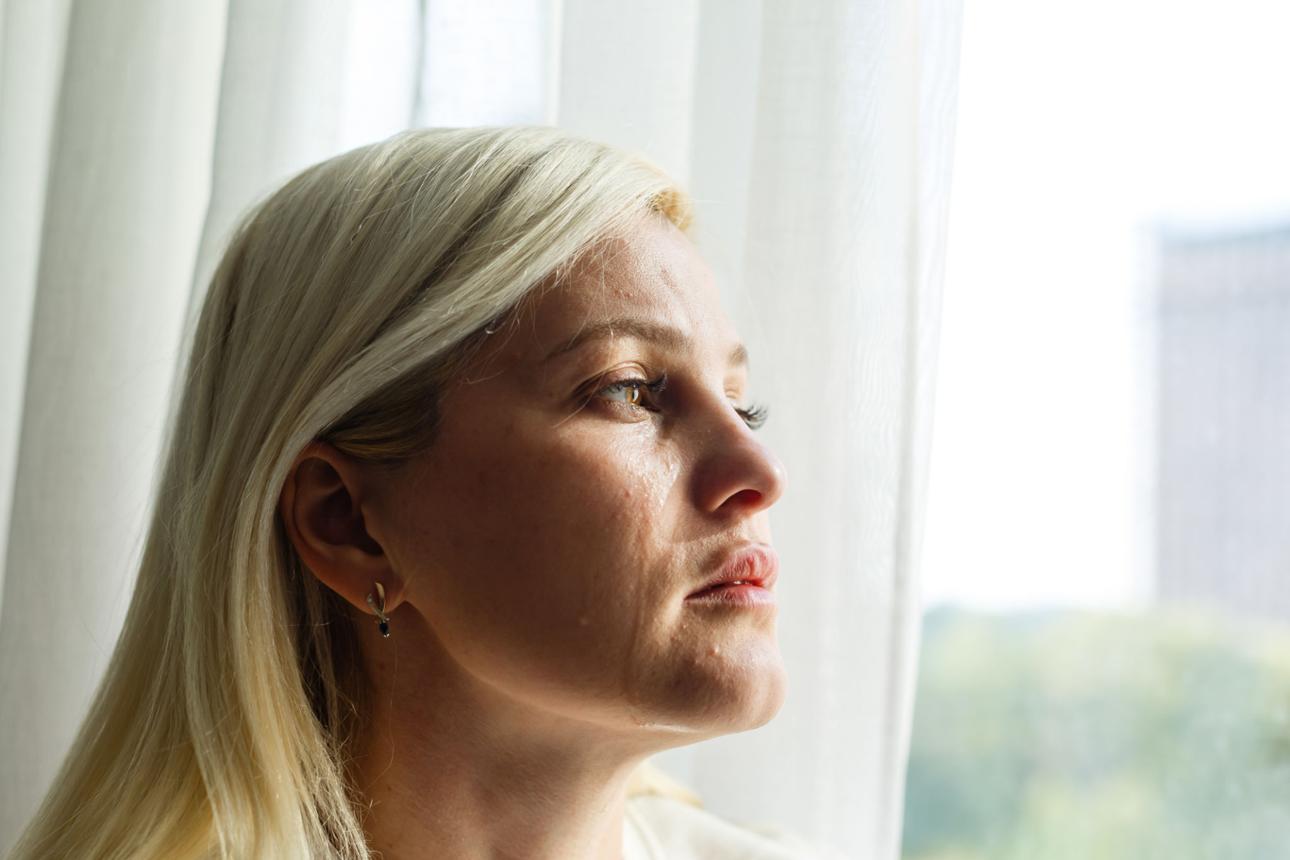
Have you ever started crying during an argument, felt tears welling up when someone was kind to you, or found yourself getting emotional over something that seemed small?
Maybe you’ve wondered, “Why do I cry so easily when everyone else seems to keep it together?”
Crying easily can be a normal response to emotional sensitivity, stress, exhaustion, hormonal changes, or overwhelming feelings. Sometimes, frequent crying is also associated with anxiety, depression, medication effects, or certain health conditions.
But crying more often than other people doesn’t automatically mean something is wrong with you.
People experience and express emotions differently. Some cry when they’re sad, while others cry when they’re angry, relieved, happy, or deeply moved.
What matters most is understanding what might be contributing to your tears, whether anything has changed recently, and how crying affects your daily life.
Here are 12 possible reasons you cry so easily, along with practical ways to manage overwhelming emotions.
Is It Normal to Cry Easily?
Yes. Crying easily can be completely normal.
Tears are one way humans express emotions. They can appear during sadness, happiness, frustration, fear, relief, or emotional connection.
There is no single amount of crying that is normal for everyone.
Some people rarely cry, while others tear up during emotional conversations, movies, music, or meaningful moments.
Neither response automatically indicates better emotional health.
Your crying patterns may be influenced by:
- Personality and emotional sensitivity.
- Current stress levels.
- Sleep and physical health.
- Hormonal changes.
- Past and present experiences.
- Cultural expectations around emotional expression.
- How comfortable you feel expressing emotions.
The important distinction isn’t simply how often you cry. It’s whether your crying represents a change from your usual pattern, causes significant distress, or interferes with everyday functioning.
12 Possible Reasons You Cry So Easily
1. You’re Naturally Emotionally Sensitive
Some people experience emotional situations more intensely than others.
You might feel deeply affected by a touching story, a friend’s disappointment, or an unexpected act of kindness.
You may also notice subtle changes in someone’s tone or facial expression.
Being emotionally sensitive isn’t automatically a weakness or a disorder.
However, sensitivity can sometimes make stressful situations feel more intense.
For example, you might cry when:
- Someone gives you unexpected criticism.
- A friend shares difficult news.
- You watch an emotional movie.
- You feel especially grateful.
- Someone expresses disappointment in you.
If this has always been part of how you respond to emotions and it doesn’t interfere with your life, it may simply reflect your individual emotional style.
2. You’re Under More Stress Than You Realize
Stress is one of the most common reasons people feel emotionally overwhelmed.
When you’re dealing with deadlines, family responsibilities, relationship difficulties, or financial pressure, even a small frustration may feel like too much.
You might hold everything together throughout the day, only to start crying when someone asks how you’re doing.
This doesn’t necessarily mean the question itself caused your tears.
It may have created a moment when accumulated stress became harder to contain.
Signs stress may be contributing to your crying include:
- Feeling constantly tense or overwhelmed.
- Becoming irritated more easily.
- Having difficulty relaxing.
- Struggling to concentrate.
- Experiencing headaches or muscle tension.
- Feeling emotionally drained after ordinary tasks.
If you’ve been crying more frequently, ask yourself whether your responsibilities or emotional demands have increased recently.
3. You’re Not Getting Enough Sleep
Sleep affects how people regulate emotions.
When you’re exhausted, everyday frustrations can feel more difficult to manage.
You may become more reactive, impatient, or tearful.
For example, a minor disagreement that wouldn’t normally upset you might trigger tears after several nights of poor sleep.
Sleep deprivation can also make it harder to concentrate, solve problems, and respond calmly under pressure.
If you’ve noticed that you cry more easily when you’re tired, improving your sleep routine may help.
Try maintaining a consistent sleep schedule, reducing late-night distractions, and allowing enough time for rest.
If sleep difficulties persist, consider discussing them with a healthcare professional.
4. You’re Experiencing Anxiety
Anxiety can involve persistent worry, tension, and heightened emotional reactions.
When you’re already feeling anxious, situations involving uncertainty, criticism, or conflict may become especially overwhelming.
You might cry before an important meeting, during a difficult conversation, or after spending hours worrying about something that hasn’t happened.
Other possible symptoms include:
- Excessive worry.
- Restlessness.
- Difficulty concentrating.
- Feeling tense or on edge.
- Sleep disturbances.
- Physical symptoms such as a racing heartbeat.
Crying alone doesn’t establish that you have an anxiety disorder.
However, if worry is persistent, difficult to control, or interfering with daily life, professional support may be helpful.
5. You May Be Experiencing Depression
Frequent crying can sometimes occur alongside depression.
But crying easily does not automatically mean you’re depressed.
Depression involves a broader pattern of symptoms, which may include:
- Persistent sadness or emptiness.
- Loss of interest in activities you previously enjoyed.
- Changes in sleep or appetite.
- Low energy.
- Difficulty concentrating.
- Feelings of hopelessness or worthlessness.
- Withdrawal from other people.
Some people experiencing depression cry frequently. Others feel emotionally numb or find themselves unable to cry.
If you’ve been experiencing persistent low mood or loss of interest for two weeks or longer, especially when it affects daily functioning, consider speaking with a qualified healthcare professional.
You don’t need to wait until symptoms become severe to ask for help.
6. Your Hormones May Be Changing
Hormonal changes can influence mood and emotional responses.
Some people notice increased tearfulness during particular stages of life or their menstrual cycle.
Possible situations include:
- Premenstrual hormonal changes.
- Pregnancy.
- The postpartum period.
- Perimenopause.
- Menopause.
- Certain hormonal treatments.
For example, someone might notice that emotional situations feel more intense in the days before menstruation.
However, hormones shouldn’t automatically be blamed for every emotional change.
If your crying is new, unusually intense, or accompanied by significant mood changes, a healthcare professional can help assess possible causes.
Persistent or severe symptoms after childbirth deserve particular attention because postpartum depression and other perinatal mental health conditions require appropriate care.
7. You’re Carrying Unprocessed Grief
Grief doesn’t always look like constant sadness.
You may feel fine for hours or days, then suddenly cry after hearing a familiar song, seeing an old photograph, or remembering someone you’ve lost.
Grief can follow many kinds of loss, including:
- The death of someone close.
- A breakup.
- The end of a friendship.
- A major life transition.
- Losing a job or a sense of stability.
- Changes in health or independence.
Sometimes, people become frustrated with themselves for crying long after a loss.
But grief doesn’t follow a universal schedule.
If you’re grieving, your tears may be connected to feelings that still need time, support, and attention.
8. You’re Emotionally Exhausted
Emotional exhaustion can develop when you’ve been managing too many demands for too long.
You may spend your days supporting others, solving problems, meeting expectations, or trying to prevent conflict.
Eventually, you may feel as though you have little emotional energy left.
You might notice:
- Crying after small disappointments.
- Feeling overwhelmed by ordinary decisions.
- Wanting to withdraw from conversations.
- Becoming unusually impatient.
- Feeling disconnected from activities you normally enjoy.
Emotional exhaustion can occur with chronic stress and may be part of burnout, although crying by itself doesn’t establish either condition.
Rest, realistic boundaries, and reducing ongoing demands may help.
If the exhaustion continues, consider seeking professional support.
9. You Cry When Someone Yells at You
Do you start crying when someone raises their voice, even when you’re trying to stay calm?
This is a common experience.
A raised voice can make a conversation feel threatening, overwhelming, or difficult to control.
Your emotional response may involve fear, frustration, sadness, or feeling misunderstood.
For some people, earlier experiences with conflict may also influence how they respond to yelling.
However, crying when someone yells at you doesn’t automatically indicate trauma or a particular psychological condition.
What can help?
Try saying:
“I want to talk about this, but I’m having trouble continuing while we’re raising our voices. Can we take a break and come back to it?”
If yelling is frequent, intimidating, or accompanied by threats or controlling behavior, the priority should be your safety rather than simply learning to suppress your tears.
If this is happening in your marriage, our guide on why your husband may be yelling at you explores communication patterns, boundaries, and warning signs.
10. You Cry When You’re Angry or Frustrated
Not all crying comes from sadness.
Some people cry when they’re angry.
You might feel frustrated because someone misunderstood you, treated you unfairly, or interrupted you during an important conversation.
Instead of expressing anger through shouting, you may begin to cry.
This can be particularly frustrating when you’re trying to make a serious point.
You may worry that other people will interpret your tears as weakness or assume you’re simply sad.
But crying and anger can occur together.
If you often cry when angry, try identifying what lies beneath the frustration.
Are you feeling powerless? Unheard? Disrespected? Overwhelmed?
Naming the emotion may help you communicate more clearly.
For example:
“I’m crying because I’m frustrated, not because I don’t want to discuss this.”
11. You Cry When You’re Happy or Someone Is Kind to You
Have you ever cried because someone remembered your birthday, gave you a thoughtful compliment, or showed you unexpected kindness?
Positive emotions can also trigger tears.
You might cry when:
- You feel deeply appreciated.
- Someone recognizes your efforts.
- You receive meaningful support.
- You reunite with someone you love.
- You achieve something important.
- You feel relief after a stressful experience.
These reactions don’t necessarily mean you’re overly emotional.
Sometimes tears appear when an experience feels especially meaningful.
If you’re interested in understanding positive emotions more deeply, our article on what happiness means explores different aspects of well-being and fulfillment.
12. Medication or a Health Condition May Be Contributing
Sometimes, changes in crying patterns may be connected to physical health or medication effects.
Certain medications and medical conditions can influence mood or emotional regulation.
Rarely, sudden episodes of involuntary crying or laughing may be associated with a neurological condition called pseudobulbar affect (PBA).
PBA is generally associated with certain neurological diseases or brain injuries. The emotional expression may feel difficult to control and may not match how the person actually feels.
This is different from ordinary emotional sensitivity.
If you’ve experienced a sudden or unexplained change in crying, especially alongside neurological symptoms, new medications, or other health changes, seek medical advice.
Do not stop or change prescribed medication without consulting the clinician responsible for your treatment.
Why Do I Cry Over Everything Lately?
If you’ve recently started crying more often, the change itself may be more informative than the number of times you cry.
Consider what’s been happening in your life.
Have you:
- Been sleeping less?
- Taken on additional responsibilities?
- Experienced relationship difficulties?
- Started or changed medication?
- Gone through a significant loss?
- Been feeling anxious or unusually low?
- Noticed other physical or emotional changes?
You may not immediately identify one clear reason.
Sometimes several smaller factors contribute to increased tearfulness.
Try observing the pattern without judging yourself.
If the change is persistent, unexplained, or concerning, a healthcare professional can help you explore possible causes.
How to Stop Crying So Easily: 7 Practical Strategies
If crying is making certain situations difficult, there are ways to manage overwhelming emotions.
The goal isn’t to eliminate tears completely.
It’s to help you feel more comfortable and in control when emotions become intense.
1. Slow Down Your Breathing
When you feel tears building, try taking a few slow, comfortable breaths.
Relax your shoulders and allow your breathing to settle.
You might gently inhale through your nose and exhale slowly without forcing yourself to hold your breath.
This may help you feel more grounded during an emotionally intense moment.
It won’t necessarily stop every tear, and that’s okay.
2. Name What You’re Feeling
Instead of thinking, “Why am I crying again?” ask yourself:
“What am I feeling right now?”
Possible answers might include:
- Embarrassment.
- Frustration.
- Fear.
- Sadness.
- Relief.
- Gratitude.
- Exhaustion.
Sometimes crying is the visible part of a more complicated emotional experience.
Identifying the emotion may make it easier to decide what you need.
3. Give Yourself Permission to Take a Break
You don’t have to continue every conversation while feeling overwhelmed.
If you’re crying during a disagreement, try saying:
“I need a few minutes to collect my thoughts.”
Or:
“This matters to me, and I want to respond clearly. Can we pause for a moment?”
Taking a break can be a constructive communication choice, not an attempt to avoid the issue.
Return to the conversation when you’re ready, provided it’s safe to do so.
4. Improve Your Sleep and Daily Routine
If exhaustion is contributing to your emotional reactions, prioritize rest.
Helpful habits may include:
- Keeping regular sleep and wake times.
- Limiting late-night screen use.
- Eating regular meals.
- Making time for physical activity.
- Scheduling breaks during demanding days.
These habits aren’t cures for mental health conditions, but they can support general emotional well-being.
5. Write Down Your Emotional Triggers
A simple journal can help you identify patterns.
After an emotional moment, consider recording:
- What happened?
- What was I feeling?
- What was I thinking?
- Had I been stressed or tired?
- What helped me recover?
You don’t need to write a long entry.
Even a few sentences may help you recognize recurring situations.
For a gentle daily reflection exercise, explore how to ask yourself, “How could I have made today even better?”.
6. Practice Expressing Your Needs
Sometimes tears appear when you’re struggling to communicate something important.
You may find it helpful to prepare a few simple statements:
“I’m feeling overwhelmed.”
“I need you to listen before offering advice.”
“I’m frustrated, and I need a moment.”
“That comment hurt my feelings.”
“I want to continue this conversation, but I need us to speak calmly.”
These statements can help others understand your experience without requiring you to hide your emotions.
7. Talk to Someone You Trust
If you’ve been crying more often, consider sharing what you’re experiencing with a supportive friend, family member, counselor, or therapist.
You don’t need a perfectly clear explanation before asking for support.
You might simply say:
“I’ve been feeling more emotional lately, and I’d appreciate someone listening.”
Supportive conversations may help you feel less isolated and better understand what’s happening.
How to Stop Crying During an Argument
Crying during conflict can be especially uncomfortable because you may want to express yourself clearly while your emotions are intense.
Try this approach:
Step 1: Notice the early signs.
You may feel a lump in your throat, tension in your chest, or difficulty speaking.
Step 2: Slow the conversation down.
Take a breath and avoid rushing to respond.
Step 3: Explain what’s happening.
You can say, “I’m getting emotional, but I still want to talk about this.”
Step 4: Request a pause if needed.
A short break may help you organize your thoughts.
Step 5: Return to the issue when possible.
Focus on the specific concern rather than apologizing repeatedly for crying.
Remember that healthy communication requires cooperation from everyone involved.
If someone repeatedly intimidates you, ignores your boundaries, or uses your tears against you, managing your own emotional response won’t resolve the underlying problem.
When Should You Be Concerned About Crying Easily?
Crying easily isn’t necessarily a medical problem.
However, consider speaking with a healthcare professional if:
- You’re crying much more often than usual without a clear explanation.
- Your crying interferes with work, relationships, or daily activities.
- You experience persistent sadness, hopelessness, or loss of interest.
- Anxiety or emotional distress feels difficult to manage.
- You notice significant sleep, appetite, or energy changes.
- The change began after starting or adjusting medication.
- Crying episodes feel involuntary or don’t match your emotional state.
- You have new neurological symptoms or a relevant neurological condition.
A healthcare professional can assess your symptoms and help determine whether emotional, physical, or medication-related factors may be involved.
If you experience thoughts of suicide or self-harm, seek immediate support. In the United States, you can call or text 988 to reach the Suicide & Crisis Lifeline. If you’re in immediate danger, contact emergency services.
Frequently Asked Questions
1. Why do I cry so easily over small things?
You may be experiencing stress, fatigue, emotional sensitivity, or accumulated frustration. A seemingly small event can sometimes trigger tears when you’re already overwhelmed.
2. Why do I cry for no reason?
Sometimes the reason isn’t immediately obvious. Stress, mood changes, exhaustion, hormones, or health factors may contribute. If unexplained crying is persistent or represents a major change, consider seeking medical advice.
3. Why do I cry when someone yells at me?
Yelling may trigger fear, frustration, sadness, or a sense of being overwhelmed. Your response can also be influenced by previous experiences with conflict.
4. Why do I cry when I’m angry?
Anger and crying can occur together. You may cry when feeling frustrated, powerless, misunderstood, or emotionally overloaded.
5. Is crying easily a sign of depression?
It can occur with depression, but crying alone doesn’t establish a diagnosis. Depression typically involves additional symptoms, such as persistent low mood, loss of interest, and changes in sleep or energy.
6. Is crying easily a sign of anxiety?
Anxiety can contribute to tearfulness, particularly during stressful or uncertain situations. However, frequent crying alone isn’t enough to identify an anxiety disorder.
7. Why am I so emotional lately?
Recent stress, lack of sleep, hormonal changes, grief, relationship problems, or health factors may be contributing. Pay attention to whether the change persists or affects your daily life.
8. Why do I cry when someone is nice to me?
Kindness can evoke gratitude, relief, connection, or other strong emotions. Crying in response to positive experiences is not necessarily a cause for concern.
9. How can I stop crying at work?
Try slowing your breathing, taking a brief break, identifying what triggered the reaction, and preparing what you want to say. If workplace conditions are consistently overwhelming, consider addressing the underlying stressors.
10. Does crying easily mean I’m weak?
No. Crying is a normal human response to emotion. It doesn’t determine your strength, maturity, or ability to handle difficult situations.
11. Can lack of sleep make me cry more easily?
Yes. Poor sleep can make emotional regulation more difficult, which may increase irritability and tearfulness.
12. Should I see a therapist if I cry a lot?
Consider professional support if crying causes significant distress, interferes with daily functioning, or occurs alongside persistent anxiety, depression symptoms, or other concerning changes.
Final Thoughts: Crying Easily Doesn’t Define You
If you’ve been asking yourself, “Why do I cry so easily?” remember that tears can have many different causes.
You might be naturally emotionally sensitive.
You might be exhausted, stressed, grieving, or dealing with changes you haven’t fully recognized.
Or you might simply express certain emotions through tears more readily than other people do.
Crying easily doesn’t automatically mean you’re weak, overly dramatic, or emotionally unstable.
You don’t have to suppress every tear to become more emotionally resilient.
Instead, focus on understanding your feelings, recognizing patterns, communicating your needs, and getting support when necessary.
And if your crying has changed significantly or is making daily life difficult, talking with a healthcare professional is a reasonable next step.
The goal isn’t to become someone who never cries.
It’s to feel more supported, more self-aware, and better equipped to handle your emotions.
Sources and Further Reading
- Cleveland Clinic — Crying: Why We Cry & How It Works
- National Institute of Mental Health — Depression
- National Institute of Mental Health — Generalized Anxiety Disorder
- Mayo Clinic — Pseudobulbar Affect: Symptoms and Causes
- 988 Suicide & Crisis Lifeline
Medical disclaimer: This article is for general educational purposes and is not a substitute for individualized medical or mental health advice.